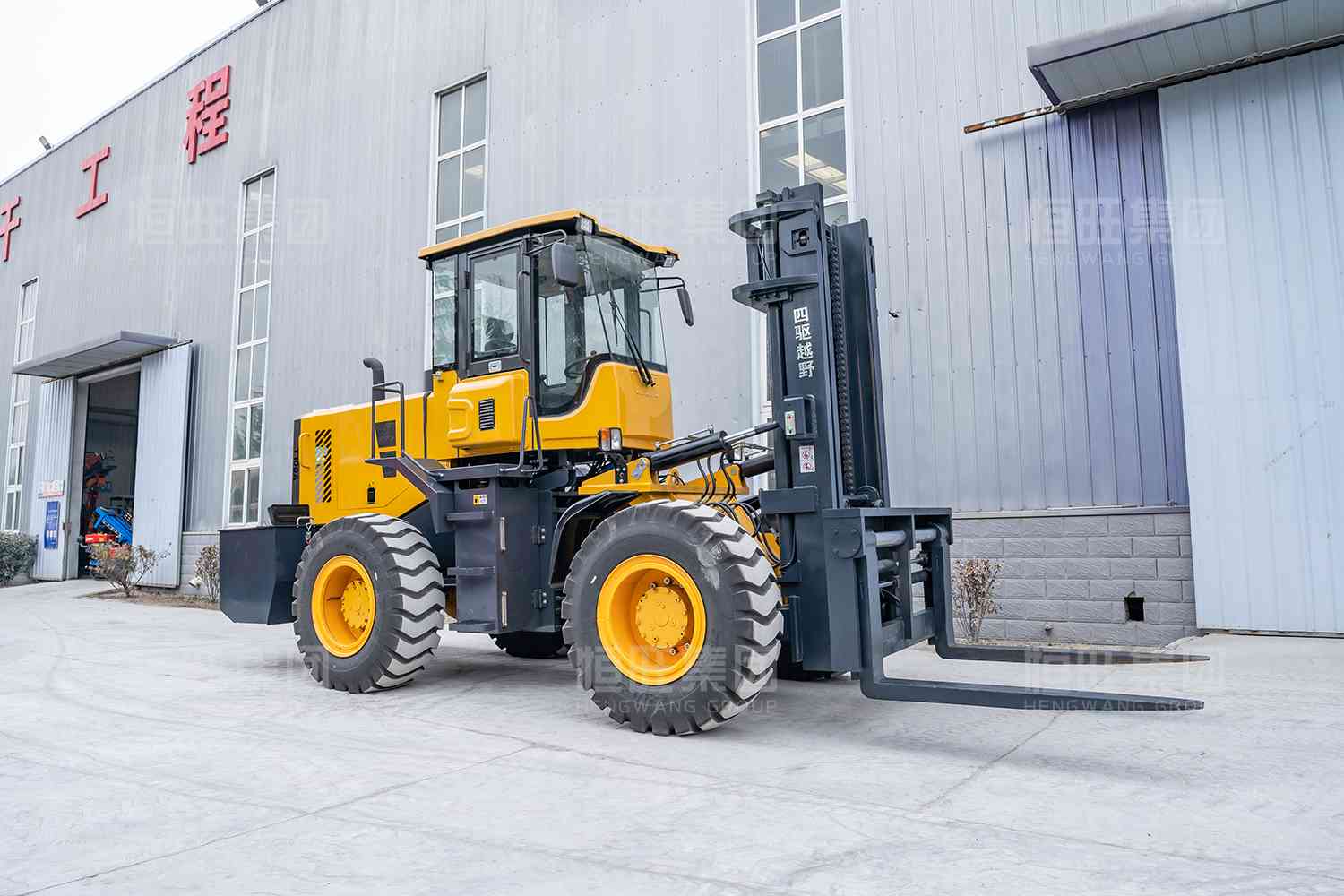
Off-road forklift abnormal exhaust emissions typically stem from fuel system, intake system, or combustion chamber issues. Below are key fault points and solutions:
1. Abnormal Smoke Emission
Black/White Smoke Issues
Fuel Delivery Imbalance: Overloading the diesel engine causes uneven fuel distribution per cylinder. Calibrate injection pressure (within 220±10bar) and inspect injector atomization
Cold Start Combustion Deficiency: In winter, enhance preheating duration and adjust idle speed to ensure proper fuel-air mixing
Blue Smoke Faults
Oil Ingress into Combustion Chamber: Clogged air filters or reversed piston ring bevels allow oil to enter chambers. Clean/replace filters and inspect piston rings
Chronic Low-Load Operation: Maintain engine load above 40% of rated power to minimize oil dilution
2. Exhaust Moisture Condensation
Coolant Leakage
Cylinder head cracks cause coolant ingress. Replace sealing gaskets or the entire cylinder head assembly
Turbocharger Failure
Degraded turbocharger seals or cracked intercoolers lead to air/fuel mixture contamination. Replace damaged components and tighten connections
3. System Maintenance Recommendations
Filter Management: Inspect air filters every 500 hours; replace when differential pressure exceeds 15kPa.
Fluid Control: Monitor oil levels to avoid crankcase pressure anomalies (maintain at 1/2–3/4 scale).
Combustion Optimization: Use low-sulfur diesel compliant with China IV/V standards and retrofit DPF systems
Diagnostic Workflow
Visual Inspection: Note exhaust color (black/white/blue) and operational conditions.
Basic Checks: Measure oil levels, inspect air filter integrity, and test turbocharger seals.
Advanced Diagnostics: Use borescopes to assess piston ring wear and fuel injector spray patterns.
Component Replacement: Prioritize OEM parts (e.g., injectors with 220bar injection pressure).
Preventive Measures
Conduct combustion chamber decarbonization monthly to prevent exhaust backpressure buildup.
Replace turbocharger lubricant every 2,000 hours to avoid sealing failure.
In high-altitude regions, adjust injection timing to compensate for thin air
Proactive maintenance reduces abnormal exhaust incidents by 75% and extends engine lifespan. For persistent issues, employ ECU diagnostic tools to pinpoint fault codes accurately.